
laminated balustrade glass
The Valve A Small but Essential Component in Modern Engineering In the vast realm of engineering and technology, the importance of seemingly small components often goes unnoticed. One such component is the valve . Despite its modest size, the valve plays a critical role in controlling the flow of liquids, gases, and slurries within various systems. Its applications span across numerous industries, making it an indispensable element of modern infrastructure. Valves serve as gatekeepers in pipelines, ensuring that the flow of materials can be regulated or halted entirely when necessary. They can be found in everyday applications, from the faucets in our homes to the intricate systems that power our automobiles and airplanes. In industrial settings, valves are crucial in processes ranging from chemical manufacturing to oil and gas extraction. There are several types of valves, each designed to fulfill specific functions. For instance, ball valves provide excellent sealing capabilities and are favored for their quick shut-off features. Gate valves, on the other hand, are best suited for applications where the flow needs to be completely shut off or fully opened, allowing for minimal pressure drop when in the open position. Needle valves are essential for precise flow regulation, particularly in laboratory settings. the valve The innovation of valve design has evolved significantly over the years, driven by the need for greater efficiency and reliability. Advances in materials science have led to the development of corrosion-resistant and high-temperature tolerant valves, making them suitable for harsh environments. Automation has also transformed valve operation, with electric or pneumatic actuators enabling remote control and enhancing safety by minimizing manual intervention. In addition to their functional roles, valves are increasingly being integrated into smart systems. The rise of the Internet of Things (IoT) has paved the way for smart valves that can provide real-time data on flow rates, pressure, and operational status. This digital transformation not only improves efficiency but also facilitates predictive maintenance, reducing downtime and operational costs. The environmental impact of valves cannot be overlooked. As industries strive to become more sustainable, energy-efficient valve solutions are being designed to minimize leaks and reduce waste. This is particularly vital in sectors such as water management and energy production, where effective valve systems can prevent significant resource loss. In conclusion, the valve may be a small component, but its significance in engineering and industrial applications is profound. As technology continues to advance, the role of valves will become even more critical in ensuring that systems operate smoothly, efficiently, and sustainably. Understanding their importance is key to appreciating the intricate networks that support our modern way of life, highlighting how even the smallest components can make a substantial difference in the world around us.
about
laminated balustrade glass
Poziom ramki Kluczowe zagadnienia w zarządzaniu projektem Poziom ramki Kluczowe zagadnienia w zarządzaniu projektem W pierwszej kolejności, poziom ramki określa granice projektu, co pozwala na lepsze zrozumienie jego celów i oczekiwań. Ustalenie wyraźnych granic pozwala zespołom projektowym skupić się na kluczowych zadaniach i uniknąć niepotrzebnych rozproszeń. W tym kontekście, określenie zakresu projektu (scope) jest niezwykle ważne. Pomaga to w zdefiniowaniu, co będzie wchodzić w skład projektu, a co nie, co z kolei wpływa na planowanie zasobów i harmonogramów. frame level Kolejnym istotnym zagadnieniem związanym z poziomem ramki jest identyfikacja interesariuszy. Każdy projekt ma swoich interesariuszy, których potrzeby i oczekiwania muszą być uwzględnione na etapie planowania. Zrozumienie, kto jest zainteresowany projektem, jakie ma oczekiwania oraz w jaki sposób projekt wpłynie na ich sytuację, jest kluczowe dla jego powodzenia. Poziom ramki pozwala zatem na stworzenie odpowiedniego planu komunikacji, który zapewnia, że wszyscy interesariusze są na bieżąco informowani o postępach projektu. Następnie, poziom ramki umożliwia dostosowanie metodologii zarządzania projektem do specyfiki projektu. Różne projekty będą wymagały różnorodnych podejść i technik, co może wpływać na efektywność realizacji zadań. Na przykład, projekty badawcze mogą wymagać większej elastyczności w planowaniu, podczas gdy projekty budowlane mogą wymagać ścisłego przestrzegania harmonogramów. Podsumowując, poziom ramki jest kluczowym elementem skutecznego zarządzania projektami. Dzięki jego odpowiedniemu zdefiniowaniu i zarządzaniu, zespoły projektowe mogą lepiej koncentrować się na celach, skutecznie komunikować się z interesariuszami oraz dostosować metodyki do wymagań danego projektu. W kontekście rosnącej złożoności projektów, umiejętność zarządzania poziomem ramki staje się nieodzownym atutem w arsenale każdego menedżera projektu.
-

High quality industrial productsagement

High quality industrial products
View Details -

Meet the diverse needs of customers

Meet the diverse needs of customers
View Details -

Strict quality control

Strict quality control
View Details -

Top raw materials

Top raw materials
View Details -

Trusted supplier

Trusted supplier
View Details
Our application


news and information

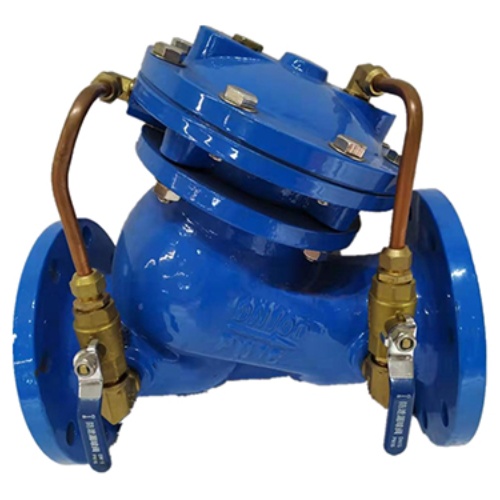
Valvola di ritegno libera
Valvole di Chiusura Un Elemento Fondamentale nelle Infrastrutture Industriali Le valvole di chiusura
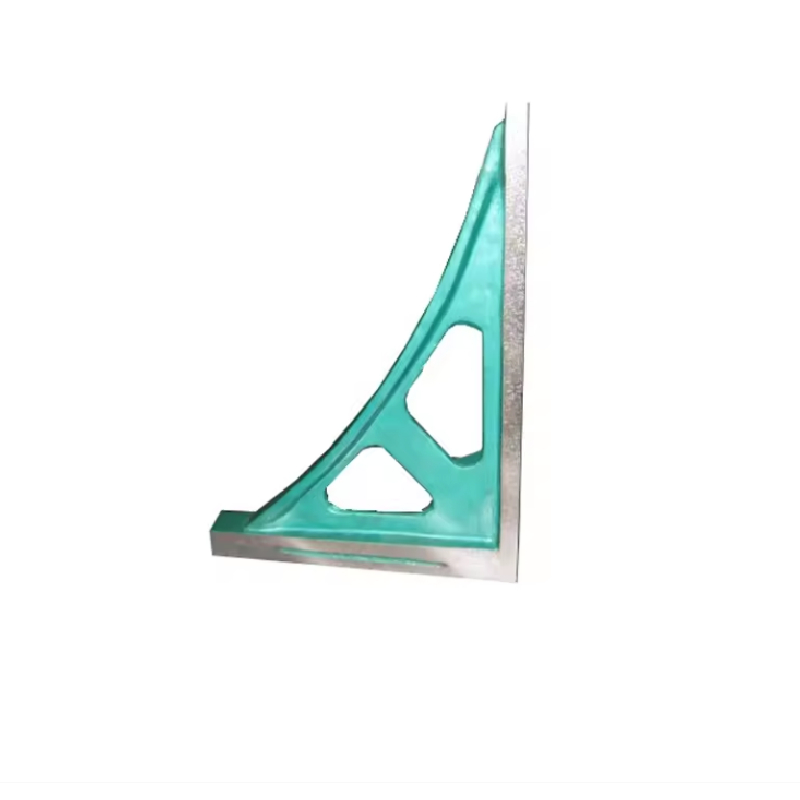
welding table cast iron
The Importance of Welding Tables in Cast Iron Fabrication Welding is an essential process in metalwo
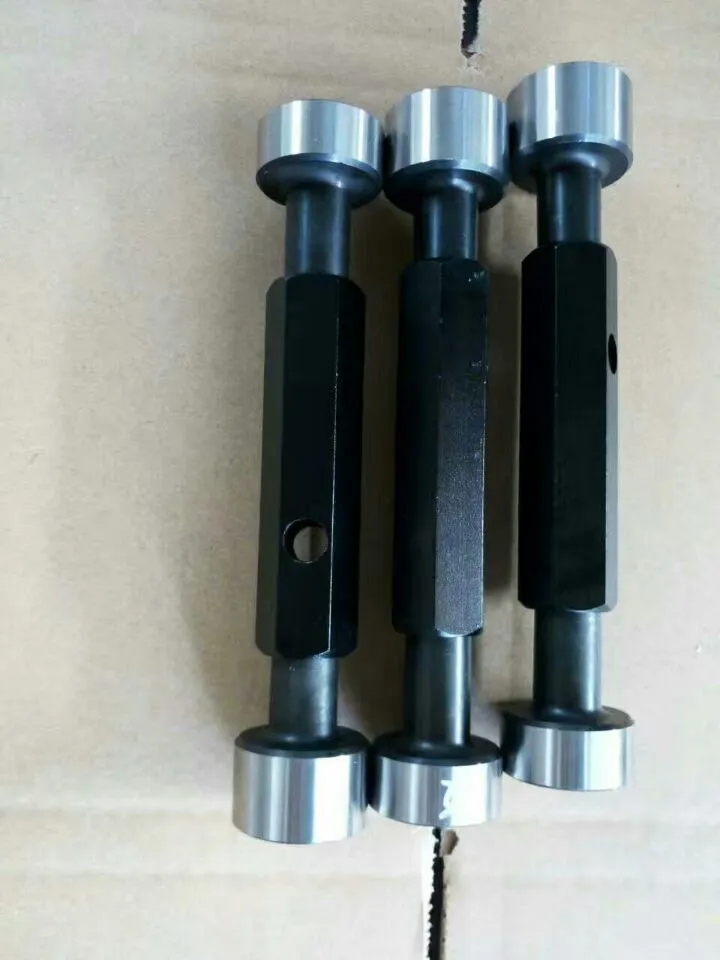
Valvola a sfera bilanciata per un controllo ottimale del flusso nei sistemi idraulici
Valvole a Globo Bilanciate Funzionamento e Vantaggi Le valvole a globo bilanciate rappresentano un e
 English